
Posted by Pack Ya Bags Travel on 24th Aug 2026
Victoria Falls, Chobe & the Okavango: How to Choose Your Safari Camps
The Victoria Falls–Chobe–Okavango triangle is Southern Africa’s greatest hits itinerary, and it lives or dies on one decision most travellers don’t know they’re making: which camps, and how many nights at each. The geography gives you the route; the experience is set by the camps and the nights you give each place. Here’s how we choose them.
Victoria Falls: the overture (two nights)
The Falls are a half-day wonder you should see twice — once drenched on the viewing paths, once from the air if the budget allows. Add a sunset cruise on the Zambezi and you’re done: two nights, either side. More is holiday; less is haste. Zimbabwe side shows more of the curtain; Zambia side gets you closer. In high-water months (roughly February to June) the spray is part of the spectacle; by October, parts of the Zambian side can be reduced to a trickle or bare rock — another reason itinerary timing matters.
Chobe: the elephant show (two nights)
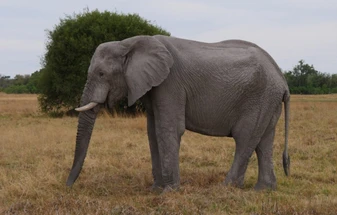
Chobe is home to one of Africa’s largest concentrations of elephants, and its signature is the water: afternoon boat safaris drifting past elephants swimming trunk-up between islands. Two nights buys you the full cycle — river cruise, dawn game drive, river again. Chobe can also offer better value than the premium camps of the Okavango: comfortable lodges at gentler rates before the Delta’s splurge.
The Okavango: the main event (three-plus nights)
Here’s where camp choice becomes the trip. Water camps sit among the Delta’s channels and lagoons: mokoro canoes gliding past reed frogs, motorboat channels, fishing, sundowners on the water — hippo soundtrack included. Some are seasonal, depending on how far the flood reaches in a given year. Land camps on the Delta’s islands and fringes run classic game drives across large concessions. Put simply: water camps prioritise the Delta’s aquatic experience, while land camps generally offer better access to extensive game-drive areas and predator viewing. The mistake is booking two of the same; our recommendation is one of each, three nights apiece if the budget stretches. Light aircraft hop you between camps — the flights themselves, low over flood channels and elephant herds, are a highlight nobody warns you about. Pack light in a soft-sided bag: charter baggage limits are often around 15–20 kg, depending on the operator and aircraft.
When to go
May to October is dry season; August to October is the peak, though July is already busy and priced accordingly. The flood waters — which arrive from Angola months after the rains — spread through the Delta while the land dries, concentrating game spectacularly. It’s also peak price and peak demand: the best small camps often book out nine to twelve months ahead, sometimes earlier for peak season. Green season (December–March) can bring significantly lower rates — sometimes close to half the peak-season price — for those who trade peak wildlife concentrations for greener landscapes and fewer people.
Your questions answered
Water camp or land camp in the Okavango?
Both, ideally — they’re different safaris sharing a postcode. Forced to one: land camp for first-timers chasing predators, water camp for returnees chasing atmosphere.
How many nights does the triangle need?
Eight to ten on the ground: two Falls, two Chobe, three to four Delta. Squeezing it to six sacrifices the Delta, which is backwards.
Is this itinerary good for a first safari?
Excellent — it layers three completely different experiences, and our first-safari FAQ answers the universal questions.
Browse our Southern Africa collection or ask the Pack Ya Bags team to match camps to your style and season.
Image: Pack Ya Bags