
Posted by Pack Ya Bags Travel on 25th May 2026
Getting Around Japan: Shinkansen, Rail Passes & Private Transfers on a Package Tour
Japan has the world’s best transport system and the world’s most anxious first-time visitors — an irony we see every booking season at Pack Ya Bags Travel. The truth: getting around Japan is easy once three decisions are made correctly before you leave home. Here they are.
Decision one: rail pass or not?
The JR Pass was once an automatic yes; after major price rises, it now depends entirely on your route. The classic Tokyo–Hakone–Kyoto–Osaka itinerary usually no longer justifies a national pass — point-to-point Shinkansen tickets or regional passes come out cheaper. Add a return leg or extend to Hiroshima or Kanazawa and the maths can flip back. On a packaged itinerary this is calculated against your actual route, ticket by ticket — one of those unglamorous jobs that quietly saves real money.
Decision two: send the bags ahead
Takkyubin — Japan’s luggage-forwarding network — is the single best travel trick in the country. Your suitcase leaves the Tokyo hotel in the morning and is waiting in Kyoto the next day; you board the Shinkansen with an overnight bag. It costs surprisingly little, hotels handle both ends, and it solves the real problem: big bags and busy trains don’t mix (large-luggage seats on the Tokaido line must be reserved). We build forwarding into every Japan itinerary we design.
Decision three: where private transfers earn their keep
Rail wins between cities, but a private transfer earns its cost in specific places: the airport arrival after a red-eye from Australia or New Zealand, ryokan stays in mountain towns where the last connection is a country bus, travelling with small children or limited mobility, and ski-luggage days. The skill is mixing modes — not defaulting to one.
Shinkansen, briefly
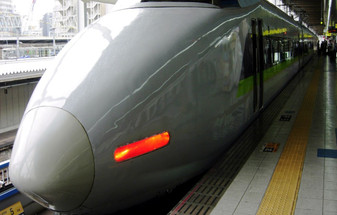
Reserve seats in busy periods (your package does this); the C side of the Tokyo–Kyoto run has the Mt Fuji windows on a clear day; eki-ben — station bento — are a genuine highlight, not a compromise; and the 16 minutes the train waits at Tokyo station is cleaned, turned and boarded with two minutes to spare. Being early isn’t optional in Japan; it’s the culture.
In the cities
A tap-and-go IC card (Suica or Pasmo, now available in your phone wallet) covers metros, buses and convenience stores everywhere. Google Maps handles Japanese transit flawlessly. Taxis are immaculate, honest and best saved for late nights and luggage days.
Your questions answered
Is the JR Pass still worth it?
Only for itineraries with serious rail distance. For the classic first-timer route, usually not — regional passes or single tickets win. Have it calculated rather than assumed, in either direction.
How does luggage forwarding work?
Hand your bag to the hotel front desk with a completed slip (your itinerary pack includes them); it arrives at your next hotel, usually next day. Keep one night’s essentials with you.
Do I need to speak Japanese to use the trains?
No — signage and announcements on all major routes are bilingual, ticket machines have English modes, and staff are unfailingly patient. The system is designed to be navigable.
Planning Japan? Start with our guide to when to go and when to book, browse our Asia collection, or talk to the Pack Ya Bags team.